Cracking and shrinkage always appear after plastering, not during mixing. This problem frustrates builders, causes rework, and damages trust with clients, especially when schedules and budgets are tight.
Hydroxypropyl Methyl Cellulose reduces cracking and shrinkage in plaster mortar by controlling water loss, slowing down drying speed, and improving internal cohesion, which allows cement hydration to complete more evenly and safely.
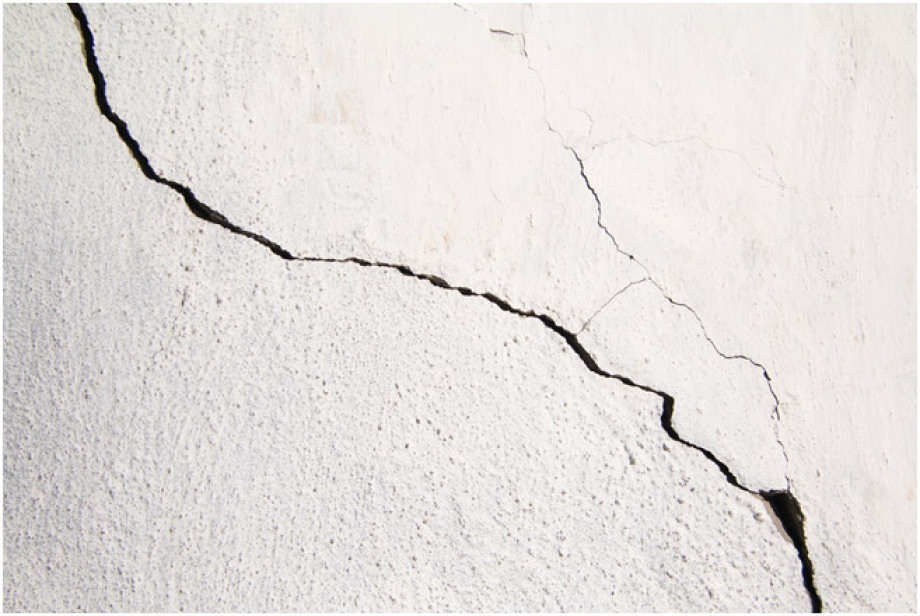
plaster mortar cracking
I have seen many plaster jobs fail even when cement quality looked fine. The real issue often hides inside the mortar system. Once you understand where cracks start, it becomes easier to stop them before they appear.
Why Cracking and Shrinkage Commonly Occur in Plaster Mortar Without Hydroxypropyl Methyl Cellulose?
Cracks usually show up when the surface already looks finished. Workers blame curing conditions, but the real cause often starts during mixing and application, long before drying begins.
Cracking and shrinkage occur in plaster mortar without Hydroxypropyl Methyl Cellulose because water escapes too fast, workability drops quickly, and cement hydration stops before the structure becomes stable.

When plaster mortar does not contain Hydroxypropyl Methyl Cellulose, water behavior becomes uncontrolled. Fresh mortar loses moisture fast into the substrate and the air. This water loss causes early stiffening. Workers feel the mortar turning dry on the trowel. At this stage, poor workability pushes workers to add extra water on site. This breaks the original mix design and weakens the structure.
Fast drying also interrupts cement hydration. Cement needs enough time and moisture to form strong hydration products. Without sufficient water, internal stress builds up as the surface dries faster than the inner layer. This stress leads to micro-cracks first. Later, these micro-cracks grow into visible shrinkage cracks.
The table below shows the common problems seen in plaster mortar without Hydroxypropyl Methyl Cellulose:
| Problem Source | What Happens in Practice | Result on Wall |
|---|---|---|
| Fast water loss | Mortar stiffens early | Uneven surface |
| Poor workability | Extra water added | Lower strength |
| Incomplete hydration | Weak internal bonding | Shrinkage cracks |
| Rapid drying | Surface dries first | Stress cracking |
According to studies shared by the Portland Cement Association and ASTM, water retention plays a key role in cement-based materials performance. You can find related references on ASTM standards here: https://www.astm.org and basic cement hydration explanations on https://www.cement.org.
From my experience working with plaster mortar producers in Southeast Asia and Africa, most cracking issues appear not because of bad cement, but because water control is missing inside the formulation.
How Does Hydroxypropyl Methyl Cellulose Improve Water Retention and Internal Cohesion?
Many buyers know Hydroxypropyl Methyl Cellulose improves mortar, but they do not always understand how it works inside the system.
Hydroxypropyl Methyl Cellulose improves plaster mortar by forming a water-retaining network that slows evaporation, keeps cement hydrated, and strengthens internal cohesion during the critical early curing stage.
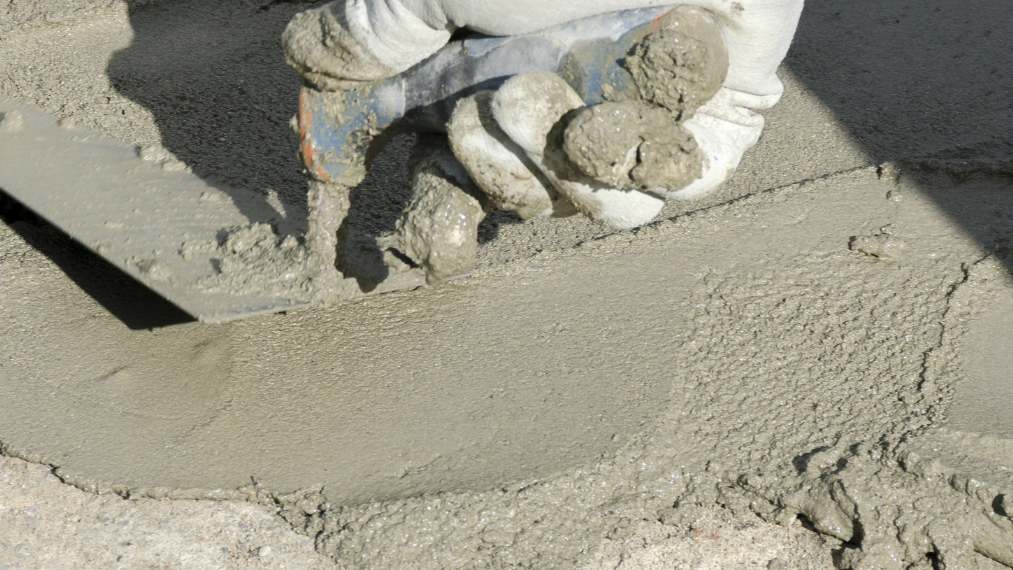
HPMC water retention
Hydroxypropyl Methyl Cellulose is a non-ionic cellulose ether. When it dissolves in water, it creates a uniform and stable solution. Inside plaster mortar, this solution holds water like a reservoir. Water does not rush out into the substrate or evaporate too quickly into the air.
This controlled water release allows cement particles to hydrate fully. Hydration continues evenly from the surface to the inner layer. As a result, internal stress drops, and shrinkage becomes much smaller.
At the same time, Hydroxypropyl Methyl Cellulose improves internal cohesion. It increases viscosity and consistency without blocking flow. Mortar becomes smoother and easier to spread. Sag resistance improves. The mortar stays where workers apply it.
Below is a simplified view of how Hydroxypropyl Methyl Cellulose changes mortar behavior:
| Property | Without HPMC | With HPMC |
|---|---|---|
| Water retention | Low | High |
| Drying speed | Too fast | Controlled |
| Workability time | Short | Extended |
| Internal bonding | Weak | Strong |
| Crack resistance | Poor | Improved |
Scientific explanations of cellulose ether mechanisms can be found on ScienceDirect and Wikipedia:
I still remember a project where a client complained about hairline cracks appearing after only two days. After adjusting the Hydroxypropyl Methyl Cellulose dosage, the same plaster formula passed site tests without any visible cracking. That moment made the mechanism very clear to me.
How to Select the Right Hydroxypropyl Methyl Cellulose Grade for Plaster Mortar Applications?
Choosing Hydroxypropyl Methyl Cellulose is not about picking the highest viscosity. It is about matching the grade to real application needs.
The right Hydroxypropyl Methyl Cellulose grade for plaster mortar depends on viscosity level, dosage control, consistency needs, and the factory’s quality stability.
Viscosity is the first factor buyers look at. For plaster mortar, medium viscosity grades are often enough. Too low viscosity leads to weak water retention. Too high viscosity makes mixing difficult and increases cost without extra benefit.
Dosage matters as much as viscosity. Most plaster mortars perform well within a narrow dosage range. Overdosing Hydroxypropyl Methyl Cellulose can cause slow setting and surface stickiness. Underdosing fails to control water loss.
Consistency and factory quality are often ignored. In B2B projects, batch-to-batch stability is critical. If viscosity fluctuates, on-site performance becomes unpredictable. This is why working with a factory that has strict testing systems matters.
Here is a simple selection guide:
| Selection Factor | Recommended Focus |
|---|---|
| Viscosity | Medium range for plaster |
| Dosage | Based on field tests |
| Consistency | Stable batch control |
| Factory quality | Automated production |
| Certifications | Verified lab testing |
At KEHAO, we test viscosity under 2% solution at 20°C. We also control substitution levels and particle size distribution. This helps our Hydroxypropyl Methyl Cellulose perform consistently in plaster mortar across different climates.
I often tell buyers that Hydroxypropyl Methyl Cellulose is not just an additive. It is a system controller. Once you treat it this way, product selection becomes much clearer.
Related technical guides
- Dry Mortar Additive: Enhancing Performance with Polymers
- HPMC
- HPMC Workability: Optimizing Mortar Performance & Consistency
Conclusion
Hydroxypropyl Methyl Cellulose reduces cracking and shrinkage by controlling water loss, improving cohesion, and stabilizing hydration, making plaster mortar stronger, safer, and more reliable on real construction sites.