The construction industry is changing fast, but many formulations still rely on outdated additives. This gap causes unstable quality, wasted cost, and poor site performance that frustrates buyers and engineers.
Hydroxypropyl Methyl Cellulose is moving toward higher specialization, stronger stability, and closer alignment with industrial construction needs, especially in dry-mix mortar and tile adhesive systems where consistency and reliability matter most.
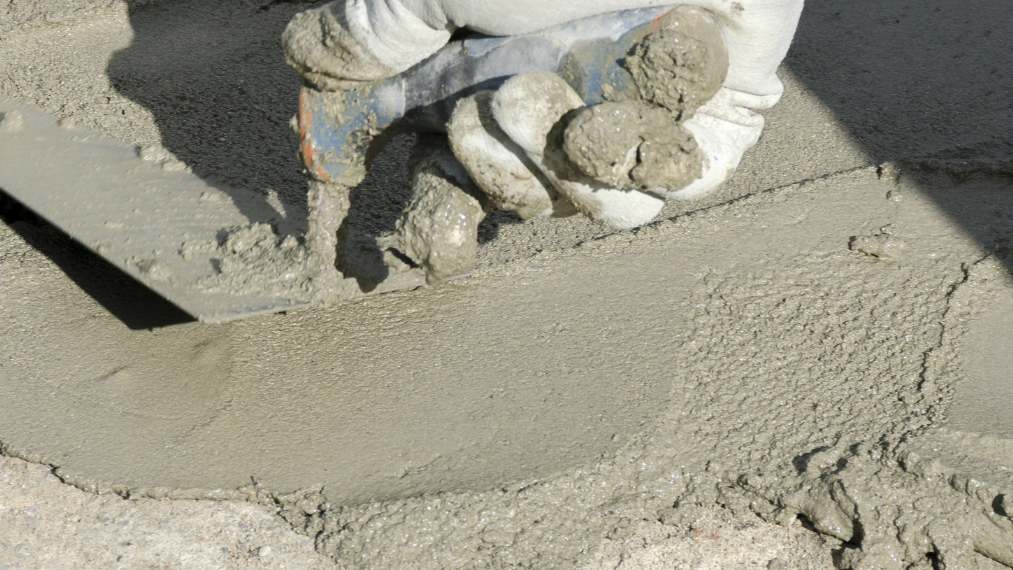
Industrial application of Hydroxypropyl Methyl Cellulose in dry-mix mortar
I have been working with Hydroxypropyl Methyl Cellulose for many years, and I have seen clear shifts in how buyers use it and how factories must respond. What once worked for small local projects no longer fits large-scale and export-driven construction markets. This change explains why future trends of HPMC deserve close attention.
How Is Hydroxypropyl Methyl Cellulose Evolving in Dry-Mix Mortar and Tile Adhesive Formulations?
Dry-mix mortar and tile adhesive failures often come from poor workability or fast water loss. These problems lead to cracked surfaces, weak bonding, and repeated site complaints that damage supplier trust.
Hydroxypropyl Methyl Cellulose in dry mix mortar and tile adhesive is evolving toward more precise viscosity control, better water retention, and improved sag resistance to meet modern construction standards.

Hydroxypropyl Methyl Cellulose tile adhesive formulation
In the past, many buyers selected HPMC mainly by viscosity number. I remember early discussions where clients only asked for “100,000 viscosity” without mentioning application details. Today, this approach no longer works. Modern dry-mix mortar systems are complex. Cement type, sand grading, climate, and job site habits all affect performance.
Hydroxypropyl Methyl Cellulose now needs functional tuning, not generic selection. In tile adhesive, HPMC must balance water retention and open time. Too much water retention delays strength development. Too little causes poor adhesion. This balance is critical for both thick-bed and thin-bed tile systems.
Below is how HPMC evolution shows up in real formulations:
Key Performance Shifts in HPMC Formulations
| Application Area | Past Focus | Current Direction |
|---|---|---|
| Dry-mix mortar | Basic thickening | Controlled water demand |
| Tile adhesive | Simple workability | Sag resistance and open time |
| Gypsum systems | Retardation | Stable setting behavior |
| Putty | Smooth feel | Longer workable time |
Another major trend is faster dispersion. Buyers now expect Hydroxypropyl Methyl Cellulose to dissolve evenly without fisheyes or clumps. This improves mixing efficiency and reduces labor errors on site. According to technical references from organizations like the European Federation of Concrete Admixtures Associations (EFCA), uniform additive dispersion directly improves final strength consistency.
I also see more demand for customized grades. Large construction companies want HPMC designed for their exact formula instead of adjusting the formula around the additive. This shift pushes manufacturers to improve formulation knowledge, not just production volume.
Why Is Industrial-Grade Hydroxypropyl Methyl Cellulose Becoming More Important for Global Construction Projects?
Large construction projects face higher risks than small local jobs. One unstable batch can delay timelines and increase cost across multiple sites. This pressure makes buyers rethink additive quality.
Industrial-grade Hydroxypropyl Methyl Cellulose is becoming essential because global construction projects demand stable quality, traceable standards, and reliable long-term supply.
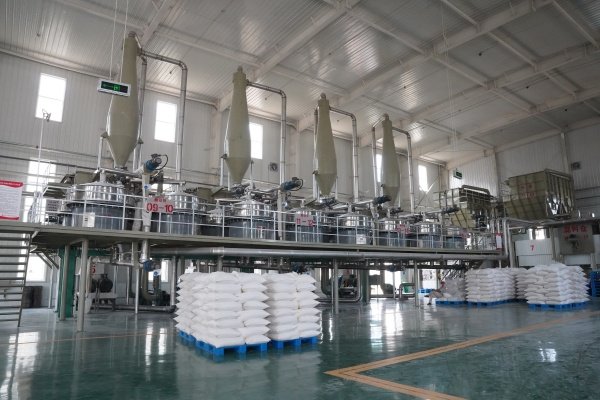
industrial-grade Hydroxypropyl Methyl Cellulose production
I often speak with buyers from Southeast Asia and Africa who manage large infrastructure or housing projects. Their main concern is not just price. They worry about shipment delays, batch variation, and inconsistent test results. Industrial-grade Hydroxypropyl Methyl Cellulose addresses these concerns directly.
Industrial-grade HPMC differs from low-end material in three main ways. First, raw material control is stricter. Second, production uses automated systems instead of manual adjustment. Third, testing follows standard methods like viscosity measurement at 2% solution and controlled temperature, which aligns with references from the National Ready Mixed Concrete Association (NRMCA).
Here is a clear comparison buyers often find useful:
Industrial-Grade vs General HPMC
| Factor | General HPMC | Industrial-Grade HPMC |
|---|---|---|
| Quality stability | Batch dependent | Highly consistent |
| Production scale | Small to medium | Large automated lines |
| Export compliance | Limited | Global standards |
| Suitable projects | Small jobs | Large construction |
Another reason industrial-grade Hydroxypropyl Methyl Cellulose matters is climate adaptability. Projects in Africa often face high temperatures, while Southeast Asia deals with humidity. Industrial-grade HPMC offers predictable performance across these environments. This reliability reduces rework and material waste.
From my experience, buyers who switch to industrial-grade HPMC rarely go back. The reduction in complaints and site issues offsets the slightly higher upfront cost. This trend will only grow as construction projects become larger and more standardized worldwide.
What Will Buyers Expect from Hydroxypropyl Methyl Cellulose Manufacturers in the Future?
Buyers today search online before they contact suppliers. They read certificates, factory scale, and export records. This behavior shows how expectations have changed.
Buyers will expect Hydroxypropyl Methyl Cellulose manufacturers to deliver stable quality, verified certifications, strong supply capacity, and long-term partnership value.
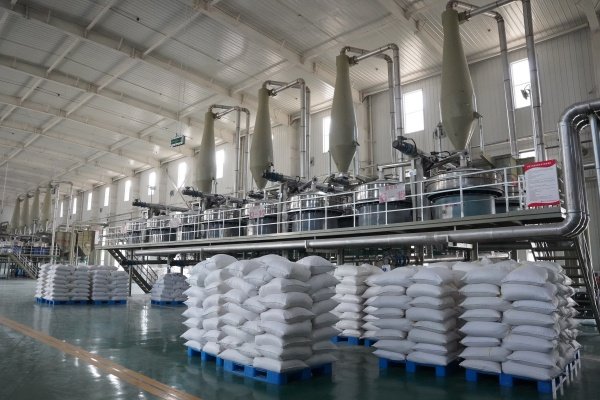
Hydroxypropyl Methyl Cellulose factory supply capability
In my daily work, I notice buyers ask deeper questions than before. They want to know how many production lines we run. They ask about annual capacity. They ask how we test viscosity and water retention. This shift shows trust now comes from transparency.
Future buyers will expect manufacturers to provide more than product data sheets. They want technical support during formulation design. They want help solving site problems. This aligns with guidance from institutions like the American Concrete Institute (ACI), which emphasizes material consistency as a foundation of construction quality.
Here are the main expectations shaping future supplier selection:
Future Buyer Expectations
| Expectation | Reason |
|---|---|
| Stable batches | Reduce site risk |
| Certifications | Meet project approval |
| Large capacity | Ensure continuous supply |
| Technical support | Improve formulation success |
Automation also plays a key role. Fully automatic production lines reduce human error. This improves batch repeatability and builds buyer confidence. At KEHAO, our investment in automated systems and strict testing reflects this direction. I have seen how these upgrades change buyer conversations from doubt to trust.
Another expectation is long-term cooperation. Buyers prefer suppliers who grow with them. They want consistent pricing logic, stable lead times, and honest communication. In a B2B wholesale model, this relationship matters more than short-term profit.
Hydroxypropyl Methyl Cellulose manufacturers who ignore these expectations will struggle. Those who invest in systems, people, and transparency will lead the next stage of the market.
Related technical guides
Conclusion
The future of Hydroxypropyl Methyl Cellulose depends on specialization, industrial-grade quality, and trusted manufacturing partnerships that support large-scale construction and long-term global projects.