
HPMC shipping to Southeast Asia can expose buyers to stockouts, document corrections, and unexpected destination charges. A freight quote may look competitive, but a missing label detail or unrealistic arrival date can disrupt production. I reduce this risk by aligning the route, importer, Incoterm, schedule, and document requirements before dispatch.
HPMC shipping to Southeast Asia requires a shipment-specific plan rather than one fixed transit time or universal document checklist. Buyers should confirm the destination port, importer of record, Incoterm, required arrival date, customs classification, packaging, and required documents. The supplier can then work backward to set a realistic production and shipping schedule.

I have handled shipping communications for multiple Southeast Asian orders. I have found that most preventable problems begin before loading, not at sea. The following framework shows how I separate the timeline, verify documents, choose responsibility boundaries, and determine whether an HPMC order is operationally ready.
How Should Buyers Calculate HPMC Shipping to Southeast Asia Lead Time?
I often see buyers treat ocean transit as the complete lead time. That assumption can create a serious purchasing gap. Production queues, vessel bookings, port handling, document review, and destination clearance all consume time. I therefore break the schedule into separate stages before discussing an estimated arrival window.
Buyers should calculate HPMC shipping to Southeast Asia lead time by adding order confirmation, production, quality release, export preparation, vessel booking, origin handling, ocean transit, destination clearance, and inland delivery. The supplier controls only some stages, so buyers should use schedule ranges and include safety stock instead of relying on one promised arrival date.1
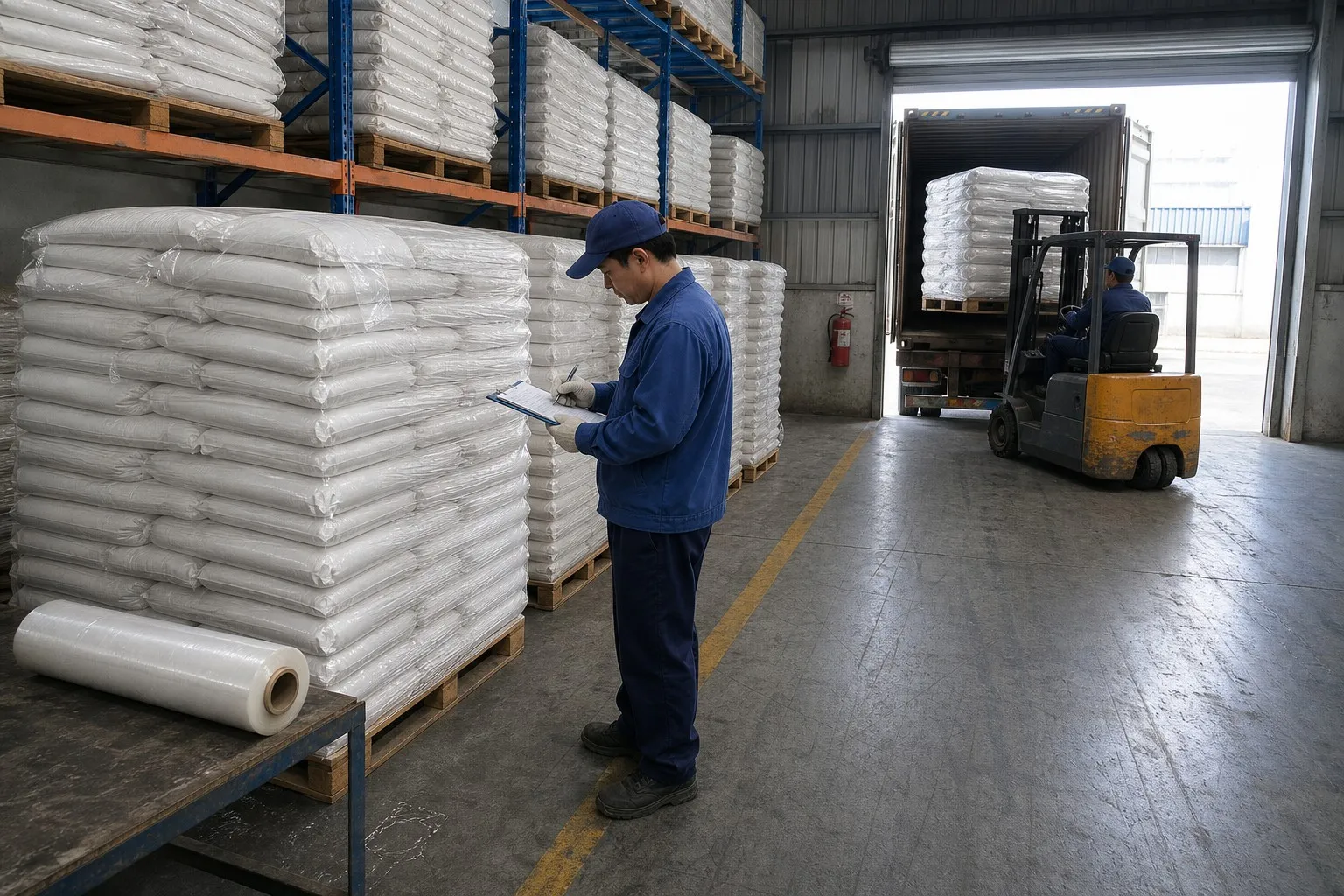
I Start With Four Questions
I begin each order by asking the buyer to confirm four basic details:
- Which country and destination port will receive the shipment?
- Who will act as the importer of record?
- Which Incoterm will govern the transaction?
- When does the material need to arrive at the buyer’s factory?
These questions sound simple, but they determine almost every later decision. A request for “delivery to Southeast Asia” does not provide enough information for a reliable schedule. Shipping to Port Klang, Jakarta, Manila, Ho Chi Minh City, Laem Chabang, or another port can involve different vessel schedules, transshipment patterns, destination procedures, and inland delivery arrangements.
I also distinguish the required arrival date from the requested shipping date. The buyer usually cares about when the HPMC reaches the production line. The supplier, freight forwarder, and carrier may discuss factory release, estimated time of departure, or estimated port arrival instead. Those milestones are not interchangeable.2
I Divide the Total Timeline Into Controllable Stages
I use the following planning model:
| Lead-time stage | Typical responsibility | Main uncertainty to verify |
|---|---|---|
| Order and specification confirmation | Buyer and supplier | Grade, quantity, packaging, label, payment |
| Production scheduling | Supplier | Raw material and production-line availability |
| Batch testing and release | Supplier | Viscosity, moisture, ash, and other agreed specifications |
| Booking and equipment arrangement | Supplier, buyer, or forwarder | Vessel space, container availability, cutoff date |
| Origin port handling | Forwarder and carrier | Gate-in timing, customs filing, terminal schedule |
| Ocean transit | Carrier | Route, transshipment, congestion, weather |
| Destination clearance | Importer and local broker | Classification, inspection, permits, document review |
| Inland delivery | Buyer or logistics provider | Trucking capacity, terminal release, local conditions |
I do not combine these stages into an unsupported promise. Instead, I ask the forwarder for the current sailing schedule and identify whether the route is direct or requires transshipment. I then add the supplier-controlled production window and a reasonable buffer for booking or document review.
I treat an estimated time of arrival as a planning reference, not a guaranteed factory-delivery date.
I Work Backward From the Production Need
A buyer can start with the monthly consumption rate and calculate the latest safe ordering point. For example, if a factory consumes 20 metric tons per month and holds 10 metric tons, it has about half a month of stock under stable consumption. That quantity may be inadequate if the complete replenishment cycle includes production, booking, ocean transport, clearance, and inland delivery.
I recommend that buyers consider:
- Current inventory by HPMC grade
- Average and peak monthly consumption
- Confirmed customer orders
- Alternative local stock availability
- Time needed for incoming quality inspection
- Possible vessel rollover or transshipment changes
- Public holidays at origin and destination
- Free-time limits and the risk of storage charges
I cannot promise fixed customs-clearance times because clearance sits outside a manufacturer’s direct control. The importer and appointed customs broker should confirm current local procedures. I can, however, release accurate supplier documents promptly and respond quickly if the broker requests a correction or clarification.
Which Documents Are Needed for HPMC Shipping to Southeast Asia?
I regularly receive requests for “all export documents,” but that phrase can hide important differences. Each Southeast Asian country, importer, bank, carrier, and customs broker may request a different combination. If the document set is confirmed only after loading, small inconsistencies can become expensive corrections.
Documents for HPMC shipping to Southeast Asia commonly include a commercial invoice, packing list, bill of lading, certificate of analysis, and safety data sheet.3 Some shipments may also need a certificate of origin, insurance certificate, packaging statement, or other supporting records. Buyers must verify the final set with their local broker before loading.
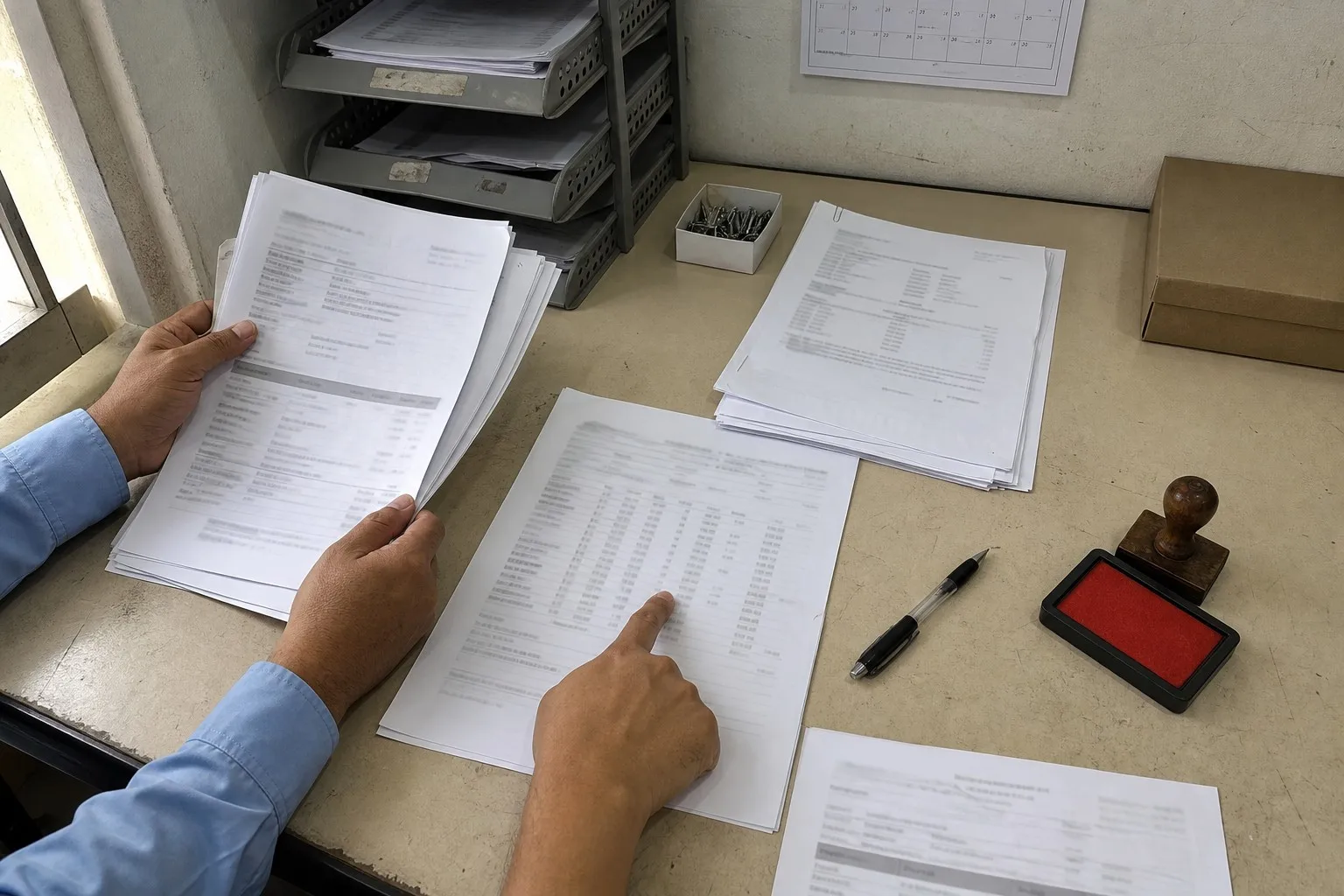
I Separate Commercial, Transport, and Technical Documents
I group documents into three practical categories. This approach makes it easier to assign responsibility and check consistency.
| Document category | Common examples | Main purpose |
|---|---|---|
| Commercial | Commercial invoice, packing list, sales contract | Declares transaction and packing information |
| Transport | Bill of lading, sea waybill, insurance certificate | Records carriage and cargo release arrangements |
| Technical or product | COA, SDS, technical data sheet, product information | Describes the supplied grade and relevant characteristics |
| Origin or regulatory support | Certificate of origin, buyer-requested declarations | Supports applicable import or trade requirements |
A certificate of analysis (COA) should refer to the actual supplied batch when that is part of the agreed quality system. At KEHAO Chemical, our in-house laboratory tests each batch for specified properties such as viscosity, water retention, moisture, and ash content. However, I always encourage buyers to review the agreed test methods and acceptance limits before ordering. A numerical result has little value when the supplier and buyer use different test conditions.
An SDS communicates safety, handling, storage, and transport information. It does not guarantee customs clearance. Likewise, REACH-related documentation may support a customer’s compliance review, but it does not replace destination-country verification or automatically establish import eligibility.
I Check Consistency Across Every Document
I have seen document rework begin with minor differences that appeared harmless during order confirmation. I therefore compare the following fields before dispatch:
- Exporter and consignee names
- Notify-party details
- Product description
- Grade or model reference
- Quantity and number of bags or pallets
- Net weight and gross weight
- Batch number
- Country of origin
- Incoterm and named place or port
- Purchase order or contract number
- Shipping marks
- Invoice value and currency
- Bill of lading instructions
The importer should tell the supplier whether customs documents require a general description such as hydroxypropyl methylcellulose, a commercial grade name, an application reference, or another approved format. I do not recommend choosing a description solely because it appears on an old shipment. Current requirements and the actual product must guide the declaration.
I Confirm Packaging and Label Information Early
HPMC is often supplied in multi-layer bags, commonly in 25 kg net packaging, although the final format can vary by contract and market. Palletization, stretch wrapping, container lining, and moisture protection should be discussed before the supplier quotes packing dimensions and loading quantities.
I ask buyers to approve label details before production packaging begins. A label may include:
- Product name and grade
- Net weight
- Batch or lot number
- Manufacturing information
- Storage instructions
- Country of origin
- Customer brand for approved OEM orders
- Language or importer information requested for the destination
If wooden pallets or other wood packaging are used, the buyer and forwarder should verify the destination’s current wood-packaging rules.4 I do not assume that one pallet arrangement is acceptable everywhere.
How Do Customs and HS Classification Affect HPMC Shipping to Southeast Asia?
Customs risk often appears small while the container is still at origin. It becomes urgent after arrival, when an importer faces document questions, inspection, storage, or production shortages. I therefore treat classification and import readiness as pre-shipment tasks rather than destination-side paperwork.
Customs treatment for HPMC shipping to Southeast Asia depends on the destination, declared product, intended use, importer status, and current local rules. The importer and licensed customs broker should confirm the HS classification, permits, duties, taxes, labeling, and document requirements before loading.5 A supplier can provide product information but should not replace local professional advice.
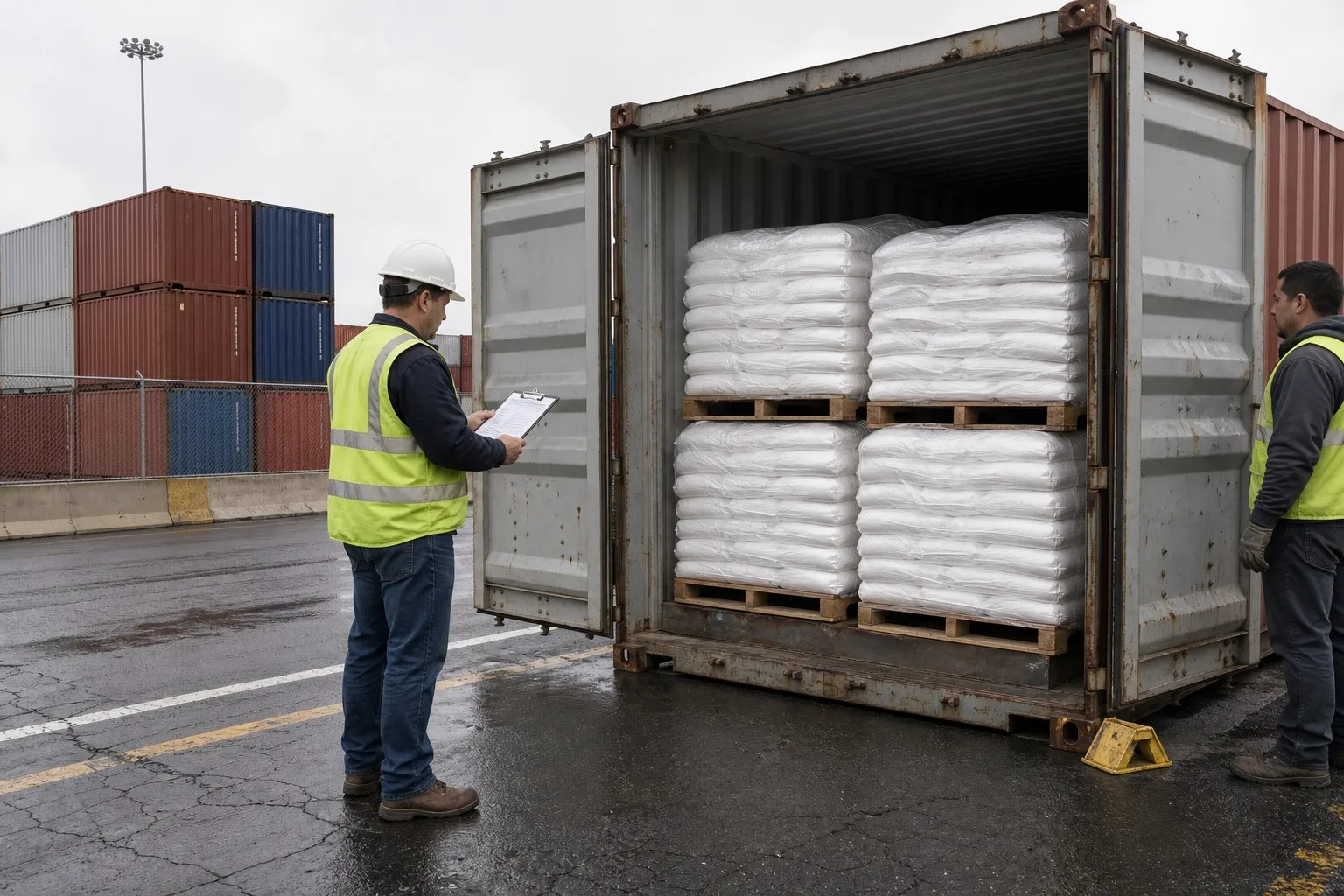
I Do Not Treat Southeast Asia as One Customs Market
Southeast Asia includes multiple national customs systems. Regional trade relationships do not create one universal import procedure for every HPMC shipment.6 A document accepted for one importer or country may not satisfy another transaction.
I ask the importer or broker to confirm, in writing where possible:
- The intended customs classification
- The official product description
- Applicable duty and tax treatment
- Whether an import permit or product registration applies
- Whether advance filing is required
- Whether original documents are needed
- Whether the certificate of origin must follow a specific form
- Whether local-language labels or importer details are required
- Whether the shipment is likely to receive document or physical inspection
The supplier can provide composition information, an SDS, a technical data sheet, and application information to support classification review. However, the importer remains closer to local rules and normally bears legal responsibility as the importer of record.7 Buyers should seek advice from a qualified customs broker or relevant authority when classification is uncertain.
I Match Documents to the Actual Material
HPMC grades can differ in viscosity, substitution characteristics, particle size, surface treatment, and recommended application. A tile-adhesive grade and a wall-putty grade may share a broad chemical identity but perform differently in a formulation.
I make sure that the commercial description does not conflict with the COA, SDS, label, or purchase contract. I also avoid claims that exceed the available evidence. For example, a supplier should not describe a grade as meeting a particular regulatory or application standard unless the relevant scope and supporting documents have been verified.
I Prepare for Inspection Without Assuming It Will Occur
Customs or other authorities may inspect a shipment based on local procedures and risk controls.8 I cannot predict whether a specific container will be selected. I can help make the cargo easier to verify by keeping the bags, labels, packing list, and batch records consistent.
Buyers should also plan for the financial exposure of delays. Possible costs can include:
- Port storage
- Container detention or demurrage
- Broker amendment fees
- Document courier charges
- Inspection or handling costs
- Inland transport rescheduling
- Emergency local purchases
- Production downtime
A low freight quote does not compensate for a clearance problem that stops a mortar or tile-adhesive line. I therefore consider customs readiness part of supply continuity, not a separate administrative detail.
Which Incoterm and Freight Offer Should an HPMC Buyer Choose?
I sometimes see purchasing teams compare offers only by the freight figure shown on a quotation. That comparison can be misleading because the offers may assign different costs and risks to each party. I compare the responsibility boundary first and the price second.
An HPMC buyer should choose an Incoterm according to its logistics capability, destination network, cost visibility, and risk tolerance. Buyers should compare FOB, CFR, CIF, or other applicable terms using total landed-cost exposure. The named port or place and the chosen Incoterms version should appear clearly in the contract.

I Compare Responsibility Rather Than Abbreviations Alone
Under commonly used Incoterms 2020 rules, the exact allocation depends on the selected term and named location. Buyers should review the official rules or obtain professional logistics advice before signing a contract.
The following table provides a simplified commercial comparison rather than a complete legal interpretation:
| Term | Supplier commonly arranges | Buyer commonly arranges | Buyer should examine |
|---|---|---|---|
| EXW | Factory availability | Pickup, export, freight, import, delivery | Export capability and origin charges |
| FOB named port | Export process and loading on board | Ocean freight, insurance, import, delivery | Carrier booking and destination exposure |
| CFR named destination port | Export and ocean freight | Insurance, import clearance, local delivery | Destination charges and cargo risk planning |
| CIF named destination port9 | Export, ocean freight, minimum required insurance | Import clearance and local delivery | Insurance scope and destination charges |
| DAP named place | Transport to named destination | Import formalities and applicable import charges | Local clearance responsibility and exceptions |
The commercial contract must define the exact named port or place. “CIF Southeast Asia” is too vague. “CIF named destination port, Incoterms 2020” gives both parties a clearer operational reference, although the contract should still address payment, documentation, claims, and cargo release.
I Calculate Landed-Cost Exposure
I recommend using a worksheet that includes more than the supplier’s product and freight price:
Estimated landed exposure = product cost + origin charges + ocean freight + insurance + destination charges + duty and taxes + clearance fees + inland transport + financing cost + disruption risk10
The final components depend on the selected Incoterm. The buyer should avoid double counting, but it should not omit costs simply because they do not appear on the supplier’s invoice.
I ask buyers to compare:
- Carrier and route
- Direct sailing versus transshipment
- Estimated departure and arrival windows
- Freight validity
- Origin and destination charge allocation
- Free-time terms
- Bill of lading release method
- Insurance scope
- Container type and loading plan
- Amendment and cancellation charges
- Responsibility for customs delays
- Inland transport to the factory
I Use an Operational Readiness Check Before Loading
Before I approve dispatch coordination, I want the shipment team to answer “yes” to the following questions:
- Has the buyer approved the HPMC grade and specification?
- Has the supplier issued or prepared the agreed batch documentation?
- Has the importer confirmed the consignee and importer details?
- Has the broker reviewed the proposed product description and documents?
- Has the buyer approved the label and packaging?
- Has the contract identified the Incoterm and named port or place?
- Has the forwarder confirmed the current booking and cutoff?
- Has the buyer planned destination clearance and inland delivery?
- Has the buyer allowed time for incoming testing before production?
- Has each party identified who will handle document corrections?
I consider a shipment operationally ready only when the product, paperwork, and destination arrangements agree. A container booking alone does not make an order ready to ship.
<h3>Related technical guides</h3> <ul> <li><a href="https://khcel.com/hpmc/">HPMC</a></li> <li><a href="https://khcel.com/what-is-hpmc-and-how-is-it-used-in-construction-materials/">What is HPMC and How is it Used in Construction Materials?</a></li> <li><a href="https://khcel.com/what-are-the-main-uses-of-hpmc/">What Are the Main Uses of HPMC?</a></li> </ul>
Frequently Asked Questions
How far in advance should I order HPMC for Southeast Asia?
I recommend working backward from the factory-required date. Buyers should include production, batch release, booking, port handling, ocean transit, customs clearance, inland delivery, and incoming inspection. Because several stages can change, buyers should maintain suitable safety stock rather than depend on a single estimated arrival date.
Does an HPMC COA guarantee customs clearance?
No. A COA reports agreed test results for the supplied material or batch. Customs authorities may require additional commercial, transport, origin, classification, or import documents. I recommend that the importer’s local broker review the complete shipment-specific document set before loading.
Which HS code should buyers use for HPMC?
I do not prescribe a universal code because classification can depend on the product description and local customs interpretation. The importer and a qualified local customs broker should determine the correct classification using current official sources. The supplier should provide accurate composition, technical, and application information to support that review.
Is CIF always easier for an HPMC importer?
CIF can simplify the buyer’s ocean-freight arrangement, but it does not remove destination clearance, local charges, or inland delivery responsibilities. Buyers should examine the insurance scope, destination fees, route, free time, and cargo-release process before deciding whether CIF offers better overall value than FOB or another term.
Can HPMC samples be tested before a full-container order?
Yes. I recommend sample testing before a large order, especially when buyers are changing suppliers or formulations. KEHAO Chemical can provide free samples with a COA and viscosity-grade selection support. Buyers should test the sample in their own tile adhesive, putty, plaster, or mortar formulation under relevant local conditions.
Conclusion
HPMC shipping to Southeast Asia works best when buyers treat it as a supply-risk decision rather than a simple freight booking. I recommend confirming the destination, importer, Incoterm, required arrival date, packaging, classification review, and shipment-specific documents before loading. Buyers should also compare landed-cost exposure and maintain appropriate inventory buffers. For application or customs decisions, buyers should consult qualified technical professionals and local brokers. To discuss an HPMC grade, sample, COA, or shipping plan, contact KEHAO Chemical at kehao@kehaohpmc.com or WhatsApp +86 157 3315 6958.
"[PDF] Right Sizing Safety Stock and Effectively Managing Inventory using ...", https://dspace.mit.edu/bitstream/handle/1721.1/126502/scm2020-pan-right-sizing-safety-stock-and-effectively-managing-inventory-using-forecastability-capstone.pdf?sequence=1&isAllowed=y. Inventory research explains that safety stock is held to buffer uncertainty in demand and replenishment lead time, while greater lead-time variability increases the inventory required to maintain a target service level. Evidence role: mechanism; source type: research. Supports: That variable replenishment lead times increase stockout risk and that safety stock is commonly used to protect service levels against demand and lead-time uncertainty.. Scope note: The source supports the inventory-planning principle rather than prescribing an appropriate buffer for a particular HPMC importer. ↩
"[PDF] Just In Time (JIT) Arrival Guide - GreenVoyage2050", https://greenvoyage2050.imo.org/wp-content/uploads/2021/01/GIA-just-in-time-hires.pdf. Maritime transport guidance distinguishes vessel departure and port arrival from cargo discharge, customs release, and subsequent inland delivery, which occur at separate points in the logistics chain. Evidence role: definition; source type: institution. Supports: That transport-chain milestones such as departure, arrival at port, discharge, customs release, and final delivery refer to different events.. Scope note: Terminology and event reporting can vary by carrier, port community system, and commercial contract. ↩
"Common Export Documents - International Trade Administration", https://www.trade.gov/common-export-documents. Export guidance identifies the commercial invoice, packing list, and bill of lading or comparable transport document as commonly used records for international shipments; technical documents such as an SDS or certificate of analysis may additionally be required by the product, buyer, carrier, or importing authority. Evidence role: general_support; source type: government. Supports: That commercial invoices, packing lists, and bills of lading are standard documents in international merchandise trade and transport.. Scope note: The source does not establish that every HPMC shipment or every Southeast Asian destination requires the same complete document set. ↩
"Regulation of wood packaging material in international trade", https://www.ippc.int/publications/regulation-wood-packaging-material-international-trade-0. International Standard for Phytosanitary Measures No. 15 establishes treatment and marking requirements for many forms of wood packaging material, including pallets, used in international trade to reduce the spread of plant pests. Evidence role: general_support; source type: institution. Supports: That wood packaging material in international trade is covered by ISPM 15 treatment and marking requirements intended to reduce pest risks.. Scope note: Implementation, exemptions, inspection practice, and documentary expectations are determined by the importing jurisdiction. ↩
"Harmonized System (HS) Codes - International Trade Administration", https://www.trade.gov/harmonized-system-hs-codes. The World Customs Organization describes the Harmonized System as the international nomenclature for classifying traded goods; countries apply it through national tariff schedules and associated import-control measures. Evidence role: definition; source type: institution. Supports: That the Harmonized System is used as the international basis for customs classification and that national customs tariffs and import measures apply through country-specific implementations.. Scope note: The source does not determine the correct tariff classification, permit status, or tax treatment for any specific HPMC grade or destination. ↩
"National trade and customs laws and rules - ASEAN Trade Repository", https://atr.asean.org/read/national-trade-and-customs-laws-and-rules/45. ASEAN customs cooperation promotes regional trade facilitation, but customs administration and the application of import requirements remain functions of individual member states under their respective laws and procedures. Evidence role: historical_context; source type: institution. Supports: That ASEAN trade facilitation operates through cooperation among member-state customs administrations and does not eliminate national import laws and procedures.. Scope note: This regional context does not identify the specific requirements applicable to a particular HPMC import transaction. ↩
"Tips for New Importers and Exporters", https://www.cbp.gov/trade/basic-import-export/importer-exporter-tips. Customs guidance commonly places responsibility on the importer of record for the accuracy of import entry information and for compliance with applicable duties, taxes, and import requirements. Evidence role: general_support; source type: government. Supports: That importers of record are generally responsible for accurate entry information, duties, and compliance with applicable import requirements.. Scope note: The precise legal definition, liabilities, and ability to appoint agents differ by importing jurisdiction and contractual arrangement. ↩
"Perspective on risk management systems for Customs administrations", https://mag.wcoomd.org/magazine/wco-news-90/perspective-risk-management-systems/. World Customs Organization and WTO trade-facilitation materials describe risk management as a method by which customs administrations identify and target consignments for appropriate control while facilitating lower-risk trade. Evidence role: mechanism; source type: institution. Supports: That customs administrations use risk-management approaches to target and prioritize border controls and inspections.. Scope note: Risk-management guidance cannot predict whether an individual container will be selected for document review or physical examination. ↩
"Incoterms® 2020: CIP or CIF? | ICC Academy", https://academy.iccwbo.org/incoterms/article/incoterms-2020-cip-or-cif/. Under Incoterms® 2020 CIF, the seller contracts for carriage to the named port of destination and obtains the stipulated minimum insurance cover, while the buyer is responsible for import clearance and associated import formalities. Evidence role: general_support; source type: institution. Supports: The standard allocation of carriage, minimum insurance, delivery risk, and import formalities under CIF in Incoterms 2020.. Scope note: The parties’ sales contract may add obligations or specify insurance broader than the minimum required by the CIF rule. ↩
"Determine Total Export Price - International Trade Administration", https://www.trade.gov/determine-total-export-price. Trade-cost guidance treats the cost of imported goods as extending beyond the invoice price to include freight, insurance, duties and taxes, customs-related charges, and domestic transportation to the destination. Evidence role: general_support; source type: government. Supports: That import cost comparisons commonly include product price, freight, insurance, duties, taxes, customs-related charges, and domestic transportation in addition to quoted supplier price.. Scope note: Financing costs and disruption risk are business-specific estimates rather than universally standardized landed-cost line items. ↩