Finding a reliable RDP supplier is becoming more difficult as the global construction market continues to grow. Many suppliers offer similar prices, but not all of them provide stable quality, technical support, or consistent delivery. Choosing the wrong supplier can lead to production problems, customer complaints, and unnecessary costs.
A reliable RDP supplier should offer consistent product quality, stable production capacity, professional technical support, and dependable delivery. Working directly with an experienced manufacturer helps reduce purchasing risks while improving the performance of tile adhesive, skim coat, EIFS, repair mortar, and other dry mix products.
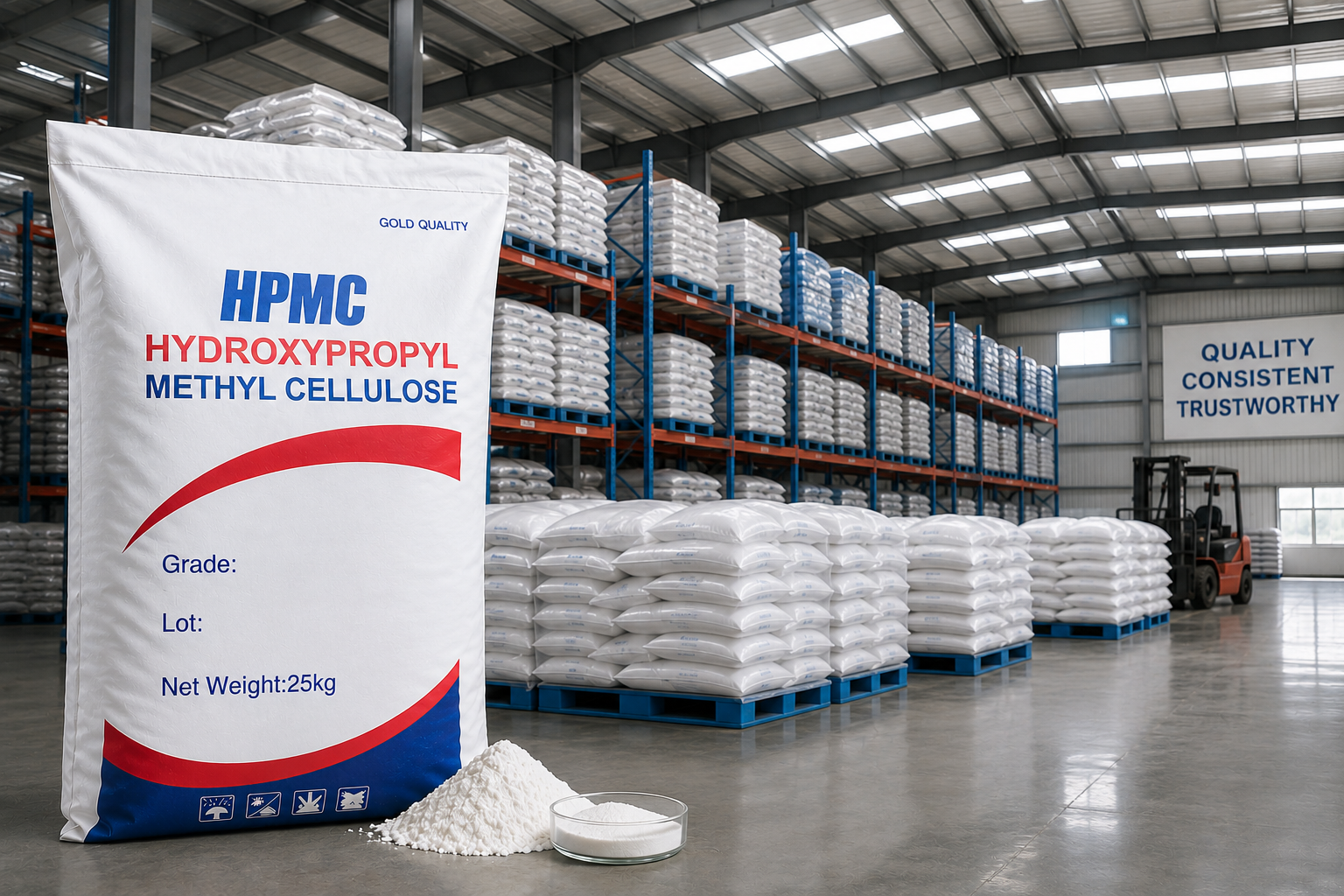
RDP Supplier
Over the years, I have worked with distributors, dry mortar manufacturers, and importers from different countries. One lesson has stayed the same. A supplier is not just someone who ships products. The right supplier becomes part of your production team. They help improve formulations, solve technical issues, and keep your supply chain running smoothly. That is why choosing the right Redispersible Polymer Powder (RDP) manufacturer deserves careful evaluation.
Why Choose a Reliable RDP Supplier?
Many buyers start by comparing quotations. That is understandable because price always matters. However, I have seen companies lose far more money because of unstable product quality than they ever saved on purchasing costs.
Choosing a reliable RDP supplier means receiving consistent polymer powder, professional technical support, stable inventory, and predictable delivery. These advantages directly improve dry mortar quality while reducing production risks.
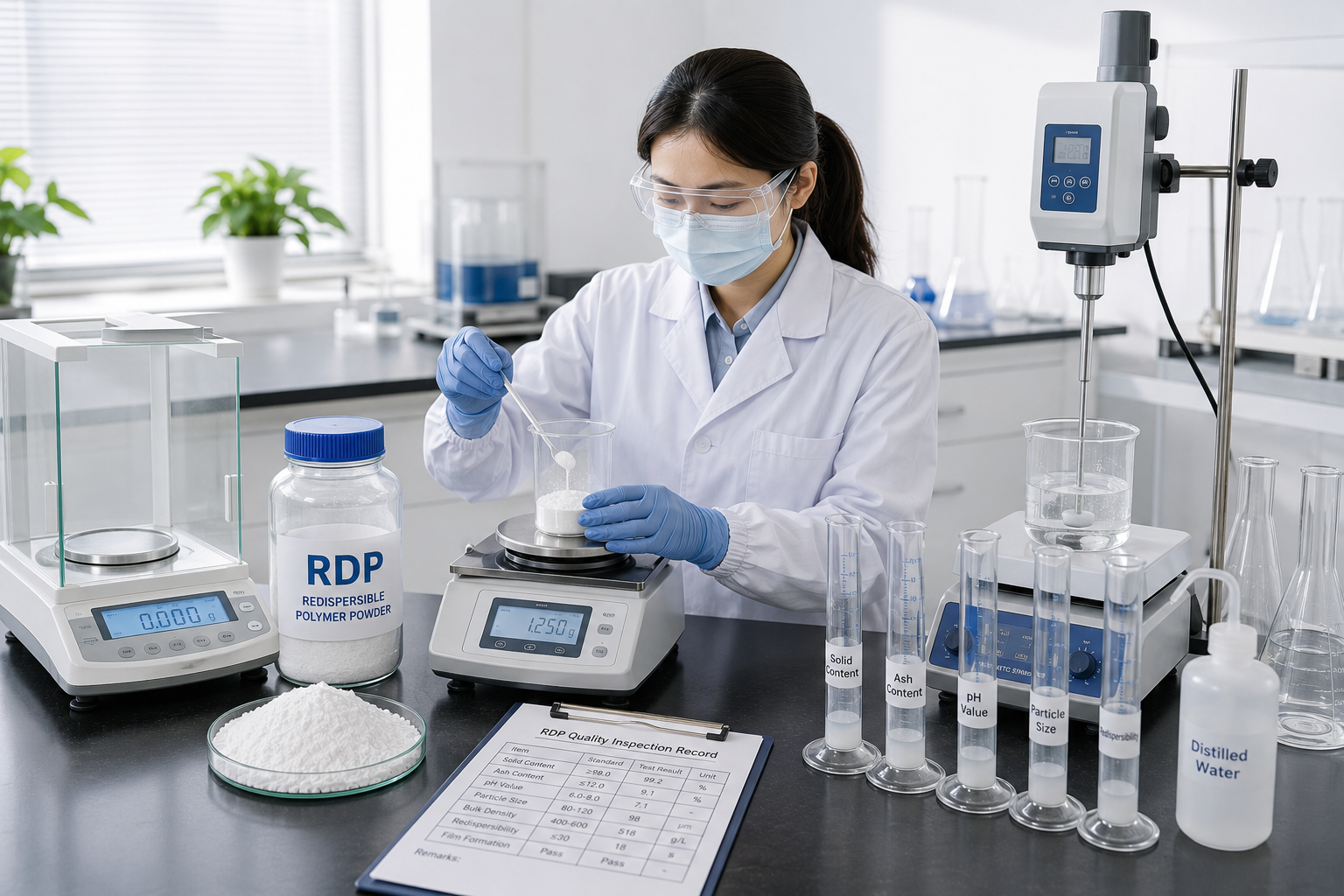
Redispersible Polymer Powder Manufacturer
Factory Direct vs. Trading Company
| Factory Direct | Trading Company |
|---|---|
| Lower Cost | Higher Markup |
| Stable Quality | Different Sources |
| Technical Support | Limited |
| OEM Packaging | Available |
| Consistent Supply | Depends on Factory |
Why Supplier Selection Matters
Redispersible Polymer Powder plays a critical role in modern dry mortar formulations. It improves adhesion, flexibility, water resistance, impact resistance, and crack resistance. If the polymer quality changes from batch to batch, the final performance of tile adhesive, skim coat, repair mortar, or EIFS will also change.
That is why I always recommend working with a manufacturer that operates its own factory instead of frequently changing suppliers based only on price.
Another advantage of factory-direct cooperation is communication. When production issues appear, engineers can quickly recommend a different RDP grade or suggest formulation adjustments. This type of technical support is difficult to obtain through multiple intermediaries.
China has become one of the world’s leading RDP manufacturing centers because it combines mature production technology, competitive costs, experienced technical teams, and efficient export logistics. For buyers looking for long-term cooperation, this provides an excellent balance between quality and cost.
If you are also sourcing cellulose ether products, you may find these articles helpful:
- Benefits of Buying Wholesale HPMC Directly from the Factory
- What Exactly Is Redispersible Polymer Powder and How Is It Made?
- Dry Mortar Additive: Enhancing Performance with Polymers
For additional technical information, I recommend reviewing:
- ASTM International — https://www.astm.org
- WACKER Construction Polymers — https://www.wacker.com
-
European Chemicals Agency (ECHA) — https://echa.europa.eu
What Should You Look for in a Redispersible Polymer Powder Manufacturer?
Choosing an RDP manufacturer is about much more than comparing product prices. A lower quotation may seem attractive at first, but inconsistent polymer quality, delayed deliveries, and poor technical service can quickly increase production costs and damage your reputation.
A reliable Redispersible Polymer Powder manufacturer should provide stable production capacity, strict quality control, professional laboratory testing, technical support, and extensive export experience. These factors are just as important as the product itself.
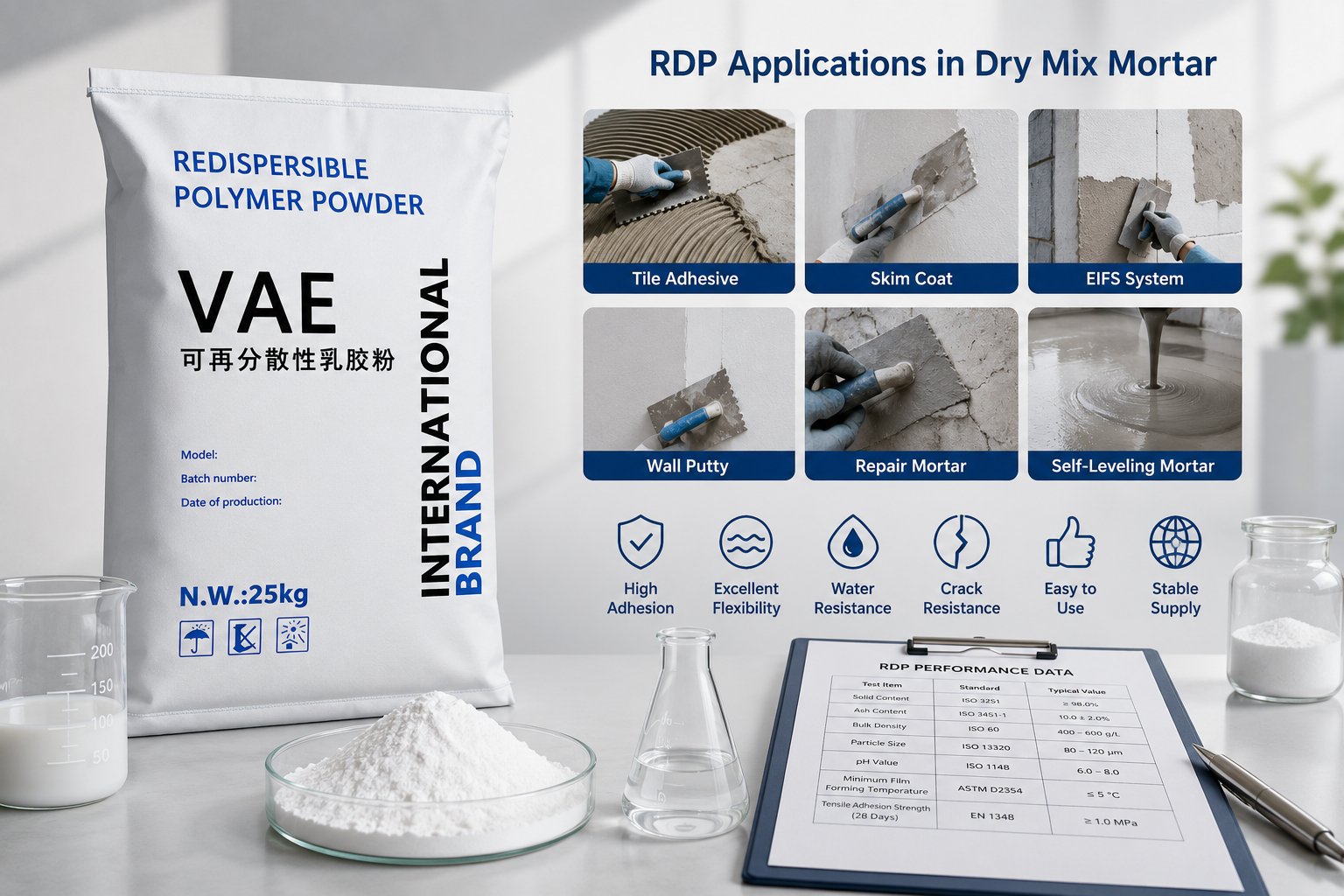
RDP Factory Quality Control
Evaluate Production Capacity
The first question I usually ask is simple: Does the supplier own the factory?
A genuine manufacturer should be able to explain:
- Annual production capacity
- Number of production lines
- Available RDP grades
- Lead times
- Monthly output
- Export markets
Factories with modern automated production lines usually achieve better batch consistency than suppliers that outsource production.
Pay Attention to Quality Control
Quality consistency is critical for Redispersible Polymer Powder because even small differences can affect the final performance of dry mortar.
A professional RDP factory should perform routine testing for:
- Solid content
- Ash content
- Particle size
- Bulk density
- Moisture content
- Redispersion performance
- Bond strength
Reliable manufacturers also keep complete production records so every batch can be traced if a quality issue occurs.
Technical Support Creates Long-Term Value
One of the biggest advantages of working directly with an experienced manufacturer is technical assistance.
When customers develop new tile adhesive or skim coat formulations, they often need recommendations for polymer dosage or product selection. A knowledgeable technical team can reduce formulation time and help avoid costly production trials.
This support becomes especially valuable when producing:
- Tile Adhesive
- Wall Putty
- Skim Coat
- Repair Mortar
- EIFS
- Self-Leveling Mortar
Key Evaluation Checklist
| Evaluation Item | Why It Matters |
|---|---|
| Production Capacity | Stable Supply |
| QC Laboratory | Consistent Quality |
| Technical Support | Better Formulation |
| Export Experience | Reliable Delivery |
| OEM Packaging | Private Branding |
Before placing a container order, I also recommend asking whether the supplier can provide COA, MSDS, REACH compliance information (when applicable), and detailed technical data sheets. These documents not only demonstrate professionalism but also simplify import procedures and quality verification.
For additional information about construction polymers and quality standards, you may also refer to:
- WACKER Polymer Dispersions — https://www.wacker.com
- ASTM International — https://www.astm.org
- ISO Standards — https://www.iso.org
- European Chemicals Agency (ECHA) — https://echa.europa.eu
If you would like to learn more about polymer performance, you may also enjoy these articles:
- Benefits of Buying Wholesale HPMC Directly from the Factory
- Dry Mortar Additive: Enhancing Performance with Polymers
- What Exactly Is Redispersible Polymer Powder and How Is It Made?